The message delivery system matters as much as the message
Campaigns spend most of their energy on the message and comparatively little on how it actually gets delivered. That imbalance costs more than it seems to.
September 2, 2026 · 3 min read
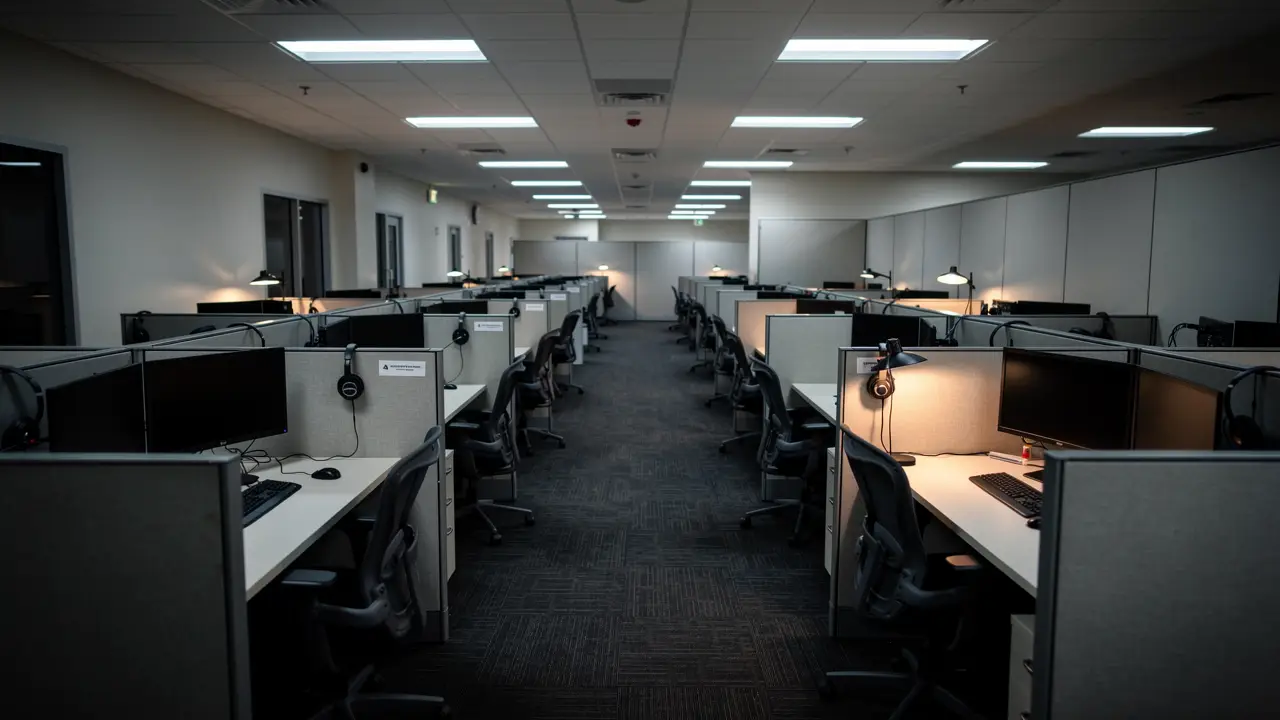
The message delivery system is as important as the message itself. That line is worth sitting with, because most campaigns operate as if it isn't true. Enormous energy goes into getting the message right, testing it, refining it, polishing the language, while the system that actually carries that message to voters gets treated as an afterthought: whichever channel was easiest to book, run at whatever scale the budget allowed, and called done.
Two campaigns, same message, different results
Picture two campaigns running an identical message. One delivers it through a single channel, run broadly, with no real differentiation by audience. The other delivers the same message through a blended system: mail into segments that respond to mail, digital and social into segments engaged there, with a fully bilingual, U.S.-based call program reaching households where a live conversation outperforms anything printed or posted. Same message. Materially different reach, because the delivery system, not the message, is what determined how much of the actual audience the message reached.
This is the part of campaign strategy that's easy to underrate precisely because it doesn't show up in creative reviews. Nobody sits in a room debating the merits of a delivery infrastructure the way they debate a headline or a mail piece's photo. But the delivery system is doing at least as much work as the words, because a perfect message delivered to the wrong slice of the electorate, or delivered in a language or format that slice doesn't actually engage with, does no work at all.
What a real delivery system looks like
A real delivery system starts with the targeting data, the same file that identifies who the audience actually is, and lets that data decide how each segment gets reached. In a market speaking over 311 languages, that means genuinely bilingual phone contact for the households where it's needed, not a translated script bolted onto an English-first program. It means digital and social reaching the roughly 78% of people in the U.S. who maintain social profiles, with content actually built for those platforms rather than repurposed from a mail piece. It means a predictive dialer operation capable of reaching tens of thousands of voters and consumers in a single week, when the calendar makes volume genuinely necessary.
None of these pieces is exotic on its own. What makes it a system, rather than a pile of separate tactics, is that the channel selection is driven by the same data and the same defined target audience the message itself was built for. A delivery system that isn't built off the targeting work is just a set of default choices dressed up as strategy.
Why campaigns underinvest here anyway
Partly it's visibility, as already noted. Partly it's that message work feels like the creative, strategic part of the job, and delivery feels like logistics. But that framing gets the relationship backwards. The message is fixed once it's written. The delivery system is what determines, day by day, who actually encounters that fixed message and in what form. Treating it as secondary means treating the actual reach of the campaign as secondary, which is a strange thing to deprioritize when reach is the entire point of spending on outreach in the first place.
There's also a simpler, more human reason: delivery is harder to get right. Message development is a known discipline with known steps: draft, test, refine. Building a genuinely blended delivery system, coordinating data-driven channel selection, bilingual live calling, digital, social, and mail into one coherent plan, is operationally harder, and it's easier to skip the hard coordination work and just run one channel at scale.
The actual standard to hold a campaign to
Before calling a message finished, ask whether the delivery system built around it can actually reach the full target audience the data has already defined, across the languages, channels, and formats that audience actually uses. If the delivery plan is a single channel run uniformly, the message is only reaching whichever fraction of the target happens to overlap with that one channel's habits. That's not full reach, and no amount of message polish fixes it.
Message and delivery aren't two separate jobs where one matters more than the other. They're one job, and a campaign that treats them as unequal in importance will always underperform the reach its targeting data actually promised. Build the delivery system with the same seriousness the message gets, and the message finally gets the chance to do the work it was written for.
Targeted Technologies — (323) 417-1152
Call (323) 417-1152More articles
What 150 data points actually tell you about a voter, and what they can't
A file with 150 data points per record is a resource, not an answer. Here's what it's actually good for, and where a campaign still has to think for itself.
Why one channel never reaches a whole district
A marketplace with over 311 languages spoken in it can't be reached by one channel. Here's why blended delivery isn't a nice-to-have, it's the job.